Description
A grafting knife is an essential tool for gardeners, horticulturists, and professional growers. Designed specifically for grafting and budding tasks, this specialized knife allows for clean, precise cuts that are critical for successful plant propagation.
How to Use a Grafting Knife
- Sterilize the Blade
Before starting, disinfect the blade with alcohol or a sterilizing solution to prevent the spread of diseases between plants. - Make a Clean Cut
Use the grafting knife to create a smooth, straight cut on both the rootstock (host plant) and the scion (graft piece). The goal is to ensure both pieces fit tightly together for optimal vascular contact. - Join the Graft
Align the cambium layers (the green inner bark) of both pieces. This contact point is where the plants will grow together. - Secure the Graft
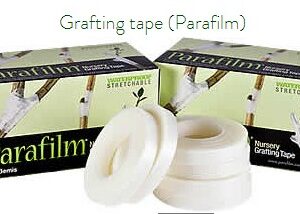
Use grafting tape or rubber bands to hold the pieces together snugly. Keep the area moist and protected until the graft takes. - Monitor and Maintain
Check regularly for signs of success or failure. Once the graft is established, remove the tape and allow natural growth.
Advantages of Using a Grafting Knife
- Precision Cutting
The sharp, fine-edged blade allows for smooth, accurate cuts that increase grafting success rates. - Durability
Grafting knives are made with high-quality stainless or carbon steel, ensuring long-term use with minimal sharpening. - Ergonomic Design
Many grafting knives feature comfortable, non-slip handles for better control during delicate cuts. - Multi-Purpose
Suitable for a variety of grafting techniques such as whip, cleft, bark, and bud grafting.